Key Applications of High-Frequency Heat Sealing Machines in Automotive Interior Comfort Upgrades: Analysis of Welding Technologies for Massage Airbags and Ventilation Bags
I. High-Frequency Heat Sealing Technology: Core Process for Massage Airbags and Ventilation Bags
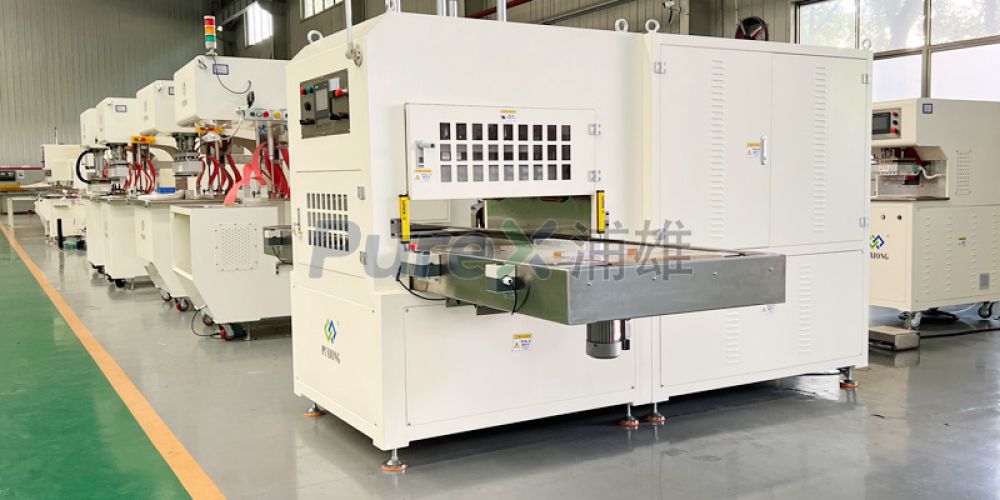
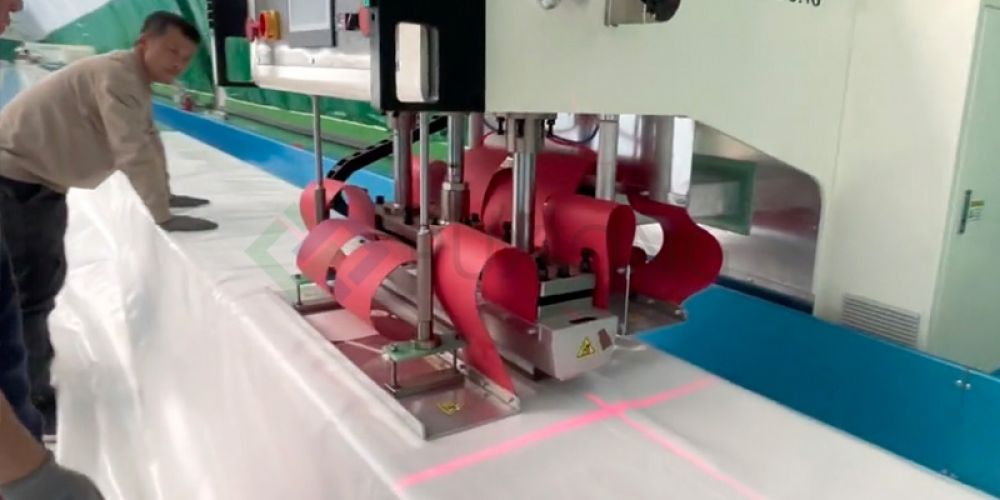
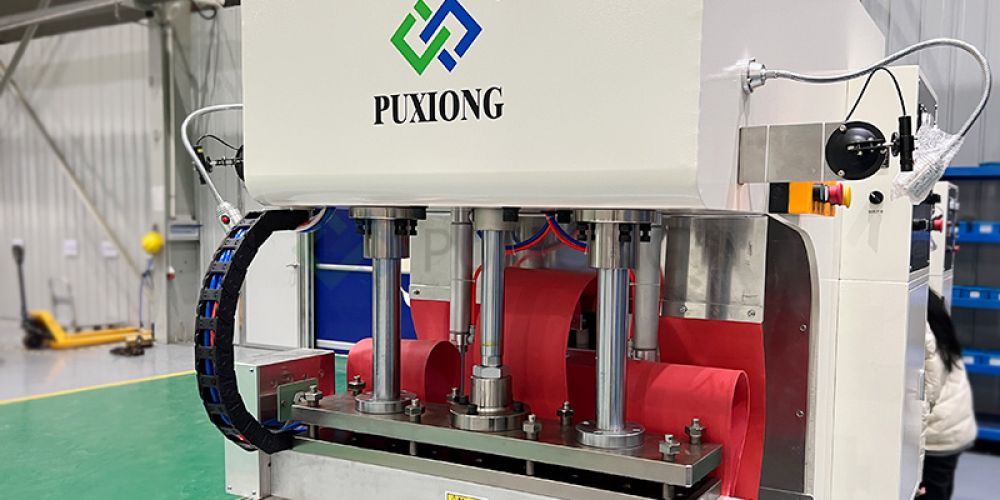
High-frequency heat sealing machines utilize high-frequency electromagnetic fields (27.12MHz or 40.68MHz) to polarize and frictionally heat plastic molecules internally, achieving adhesive-free welding with both environmental sustainability and durability. Its core advantages include:
Material Adaptability: Supports hybrid materials containing over 10% PVC, such as TPU, PVC, and EVA, meeting the flexibility and sealing requirements of airbags.
Process Precision: Custom molds enable welding of complex structures, such as airbag duct connections and micro-pore distribution in ventilation bags, ensuring functional and aesthetic unity.
Production Efficiency: Fully automated production lines complete material feeding, welding, and inspection within seconds, making them suitable for large-scale industrial production.
Typical Application Scenarios:
- Seat Massage Airbags: High-frequency heat sealing welds airbag edges to ensure airtightness under pressure changes. Precise temperature control prevents material overheating and deformation, guaranteeing long-term massage functionality.
- Ventilation Bag Welding: Ventilation bags embedded between seat foam layers and covers are seamlessly connected to air ducts via high-frequency welding, ensuring even airflow distribution and improving breathability efficiency.
II. Zero-Gravity Seats: Aerospace Technology Redefining Driving Comfort
Zero-gravity seats simulate a weightless space environment (128°±7° sitting angle) to evenly distribute body pressure, reducing skeletal and muscle strain. Technological breakthroughs include:
Ergonomic Design:
- Three-Zone Support System: Dynamic support for the thoracic, lumbar, and pelvic regions, combined with 16-way electric adjustments (including 6 memory modes), accommodates diverse body types.
- Ultra-Soft Memory Foam: High-density foam materials reduce contact pressure to one-third of traditional seats, decreasing fatigue by approximately 40% during long-distance driving.
Safety and Functional Integration:
- Collision Warning System: Automatically returns the seat to a safe mode during sudden collisions, working in synergy with adaptive pre-tensioned seatbelts to enhance protection efficiency.
- Environment-Adaptive Adjustment: Integrates temperature-sensing fabrics and airflow circulation systems, enabling temperature regulation from -5°C to 45°C to ensure comfort in extreme weather.
Usage Recommendations:
- Zero-gravity reclining mode is recommended when parked. During driving, the backrest tilt angle should be limited to within 30° to ensure seatbelt effectiveness.
III. Intelligent Temperature Control System: From Environmental Control to Occupant-Centric Management
Intelligent temperature control systems utilize sensor networks and algorithms for precise cabin environment management. Technological advancements include:
Multi-Dimensional Sensing and Control:
- Sensor Matrix: Temperature, humidity, and air quality sensors collect real-time data, while the central control system coordinates AC compressors, fan speeds, and heating elements.
- Zoned Temperature Control: Divides the cabin into independent zones (e.g., front driver seat, rear left/right seats) to meet individual passenger needs. For example, the Cadillac CELESTIQ integrates 33 actuators for five-zone independent temperature control with ±0.5°C precision.
Energy Efficiency Optimization:
- Localized Heating: Direct heating via seats, steering wheels, and other local devices improves thermal transfer efficiency by 70% compared to AC systems, reducing overall energy consumption by 50% on long drives.
- Virtual Sensing Technology: Uses thermal conduction models to calculate surface temperatures of heating components, replacing physical sensors to reduce system complexity.
Case Study:
- Gentherm’s ClimateSense system, tested in the Volkswagen ID.3, reduced total energy consumption by 30% in 60-minute operational tests and shortened occupant thermal comfort achievement time by 40%.
IV. Technology Integration: Future Trends in Comfort Upgrades
- Synergy Between High-Frequency Heat Sealing and Zero-Gravity Seats: Welds seat frames and airbag modules using high-frequency processes, ensuring structural strength and lightweight balance to support dynamic adjustments in zero-gravity postures.
- Integration of Intelligent Temperature Control and Ventilation Systems: Embeds temperature sensors during ventilation bag welding to enable real-time adjustment of airflow temperature and humidity, preventing discomfort from direct cold airflow.
- Expansion of Health Management Functions: Combines with DHS Smart Health Monitoring systems (e.g., Chery Automobile) to monitor heart rate and respiratory frequency via seat sensors, syncing with temperature control systems to adjust environmental parameters and prevent driver fatigue.
V. Industry Challenges and Solutions
- Technical Costs: The integration of numerous sensors and complex algorithms in intelligent temperature control systems limits adoption in mid-to-low-end vehicles. Solutions include modular design (e.g., Gentherm system modules with ~12L volume) and cost reduction through mass production.
- Extreme Environment Adaptability: High-frequency heat sealing materials exhibit performance fluctuations in extremely cold or hot conditions. Material modifications (e.g., adding weather-resistant agents) and process optimizations (e.g., dynamic temperature compensation) enhance stability.
- Balancing Safety and Comfort: Zero-gravity seats must maintain normal postures during driving. Collision warning systems and seatbelt linkage mechanisms ensure safety when functions are activated.


.jpg)
.jpg)
.jpg)
