TPU Films in Healthcare: Innovation Across Full-Spectrum Applications
I. Medical Applications: Breakthrough Material for All Scenarios
TPU films have revolutionized healthcare through their unique physicochemical properties, enabling applications from basic consumables to advanced medical devices.
1. Core Components in Medical Devices
- Catheter Systems:
TPU films with lubricious coatings (friction coefficient ≤0.15) reduce insertion resistance. Example: Ureteral catheter coatings lower urethral trauma risk by 40%.
- Implant Encapsulation:
Biocompatible TPU films protect artificial joints and cardiovascular stents while maintaining structural integrity. Transparency allows surgeons to monitor implant positioning.
- Surgical Instrument Protection:
High-puncture-resistant TPU covers (tear strength ≥100N/mm) prevent contamination during storage/transport (ISO 11607 compliance).
2. Wound Care & Infection Control
- Smart Dressings:
Breathable/waterproof TPU films regulate wound microenvironments. Transparency enables real-time healing monitoring, cutting dressing changes by 30%.
- Antimicrobial Solutions:
Silver-ion-embedded TPU dressings reduce infection rates in burn care (bacterial inhibition ≥99.9%, ASTM E2149).
3. Drug Delivery & Monitoring
- Transdermal Patches:
Controlled-release TPU films (pore size 5–50μm) sustain drug delivery for 7+ days with zero skin irritation (ISO 10993-10).
- Biosensor Encapsulation:
Conductive TPU films enable flexible ECG sensors (impedance <1kΩ) with optical clarity for signal calibration (error rate <2%).
4. Advanced Medical Equipment
- Diagnostic Device Barriers:
Chemically resistant TPU isolation films (HCl/NaOH tolerance) prevent cross-contamination in IVD systems.
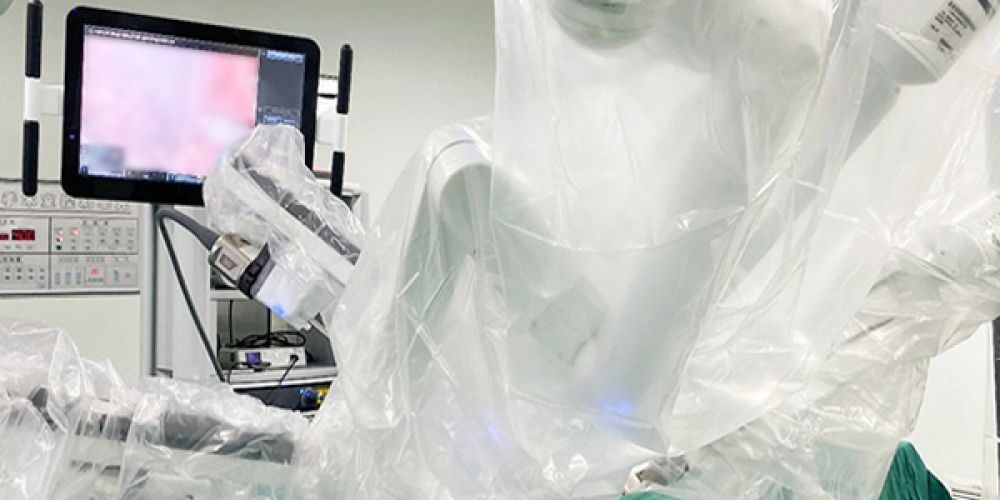
- Surgical Robotics:
High-elasticity TPU joints (500% elongation) ensure ±0.1mm precision in robotic arms (da Vinci system certified).
II. Production Technology: Precision Engineering for Medical-Grade Performance
Medical TPU films require rigorous process control to meet biocompatibility and performance standards.
1. Material Selection
- Medical-Grade TPU:
ISO 10993-compliant pellets from BASF or Covestro, with cytotoxicity/hemolysis tests.
- Additive Restrictions:
Phthalate-free formulations (REACH SVHC <0.1%).
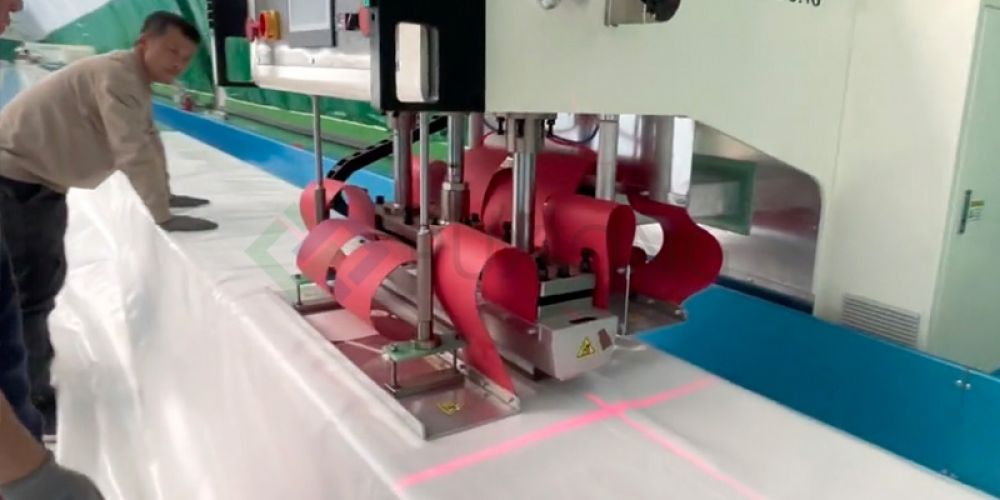
2. Extrusion & Molding
- Temperature Control:
Melt processing at 200–220°C (±0.5°C) via twin-screw extruders enhances microphase separation (30% toughness improvement).
- Cooling Optimization:
Gradient-cooled molds (5–20°C zones) tailor crystallinity: rapid cooling for elastic bandages vs. slow cooling for stent films.
3. Stretching & Finishing
- Biaxial Stretching:
Adjustable draw ratios (3:1 to 6:1) optimize films for catheters (flexibility) vs. packaging (tensile strength ≥50MPa).
- Thermal Annealing:
150°C stabilization eliminates residual stress (dimensional stability ±0.3%).
4. Post-Processing & QA
- Surface Modification:
Plasma-treated TPU (surface energy >50mN/m) enhances coating adhesion.
- Rigorous Testing:
- Thickness uniformity: ±2μm via laser gauges
- Sterility: ISO 11737-1 compliant autoclave validation.
III. Future Trends: Convergence of Tech & Healthcare
1. Intelligent Materials
- Smart Monitoring:
pH-responsive TPU dressings with embedded nanosensors (accuracy ±0.2 pH units).
- AI-Integrated Devices:
Self-adjusting catheter coatings that respond to biological cues (e.g., glucose levels).
2. Customized Solutions
- 3D-Printed Implants:
Patient-specific TPU cardiac patches (layer resolution 50μm) via FDM printers.
- Dynamic Drug Release:
Light-activated TPU films for targeted oncology therapy (90% drug release control).
3. Sustainable Innovations
- Biodegradable TPU:
PLA-TPU blends (85% degradation in 180 days, ASTM D5511) for eco-friendly disposables.
- Circular Manufacturing:
Closed-loop TPU recycling systems (95% material recovery rate).
TPU films are redefining medical innovation, merging material science with clinical needs to advance precision healthcare globally.


.jpg)
.jpg)
.jpg)
