

.jpg)
Key Applications of High-Frequency Heat Sealing Machines in Upgrading Automotive Interior Comfort: Analysis of Heat Sealing Technology for Massage Airbags and Ventilation Bags
I. High-Frequency Heat Sealing Technology: The Core Process for Massage Airbags and Ventilation Bags
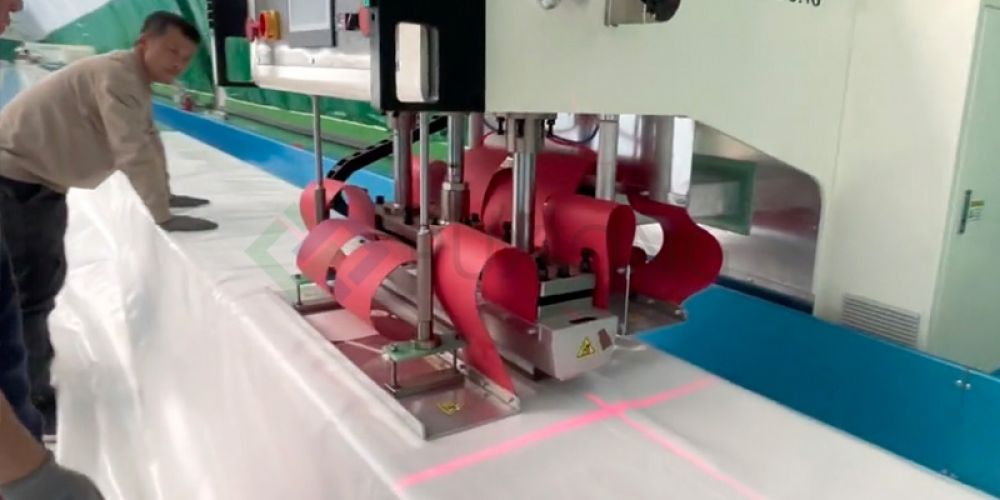
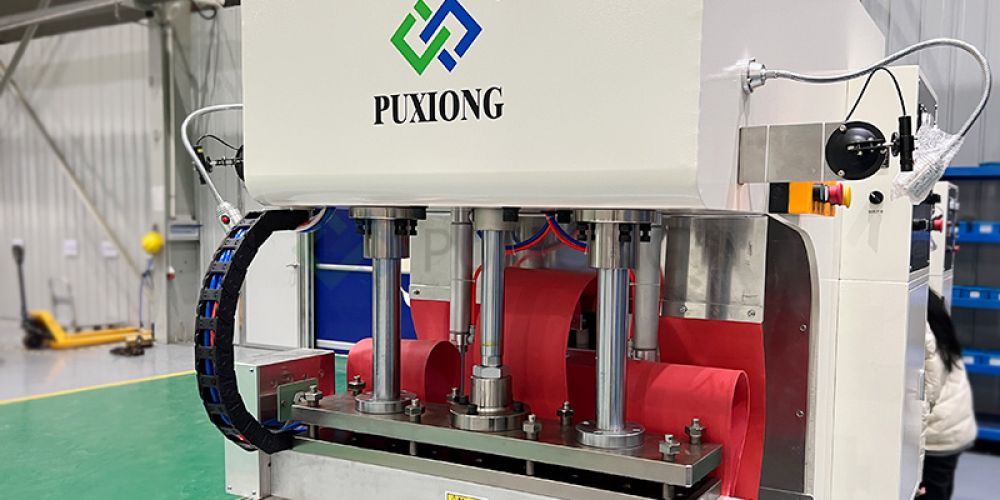
High-frequency heat sealing machines utilize high-frequency electromagnetic fields (27.12MHz or 40.68MHz) to polarize and generate heat through friction between the internal molecules of plastic, achieving glue-free welding that is both environmentally friendly and durable. Its core advantages are:
Material Adaptability: Supports mixed materials containing more than 10% PVC, such as TPU, PVC, and EVA, meeting the flexibility and sealing requirements of airbags.
Process Precision: Customized molds enable heat sealing of complex structures, such as the air duct connections of airbags and the micropore distribution of ventilation bags, ensuring a balance between functionality and aesthetics.
Production Efficiency: Fully automated production lines can complete the entire process of feeding, heat sealing, and inspection within seconds, suitable for large-scale industrial production.
Typical Application Scenarios:
Seat Massage Airbags: High-frequency heat sealing technology is used to weld the edges of the airbags, ensuring a tight seal to withstand pressure changes. Precise temperature control prevents material overheating and deformation, ensuring the durability of the massage function.
Ventilation Bag Heat Sealing: Ventilation bags are embedded between the seat foam layer and the seat cover. High-frequency technology achieves a seamless connection between the bag and the air duct, ensuring even airflow distribution and improving breathability.
II. Zero Gravity Seats: Aerospace Technology Reshapes Driving Comfort Zero gravity seats simulate the weightless environment of space (128°±7° seating angle), evenly distributing body pressure and reducing skeletal and muscular load. Its technological breakthroughs are reflected in:
Ergonomic Design:
Three-Segment Support System: Dynamic support for the chest, lumbar spine, and pelvis, combined with 16-way electric adjustment (including 6 memory modes) to adapt to different body types.
Ultra-Soft Memory Foam: The foam layer uses high-density materials, with contact surface pressure only 1/3 that of traditional seats, reducing fatigue during long drives by approximately 40%. Safety and Function Integration:
Collision Warning System: In the event of a sudden collision, the seat angle automatically rebounds to a safe mode, working in conjunction with adaptive pretensioning seat belts to enhance protection efficiency.
Adaptive Environmental Adjustment: Integrates body temperature sensing fabric and an airflow circulation system to achieve temperature regulation from -5℃ to 45℃, avoiding discomfort in extreme weather conditions.
Usage Recommendations:
The zero-gravity reclining mode is recommended for use when the vehicle is parked. While driving, the backrest tilt angle should be kept below 30° to ensure seat belt effectiveness.
III. Intelligent Temperature Control System: From Environmental Control to Occupant-Centered Management
The intelligent temperature control system achieves precise management of the in-vehicle environment through sensor networks and algorithms. Its technological evolution is reflected in:
Multi-Dimensional Perception and Control:
Sensor Matrix: Temperature, humidity, and air quality sensors collect data in real time, and the central control system links the air conditioning compressor, fan speed, heating elements, and other equipment.
Zoned Temperature Control: Divides the vehicle interior into multiple independent zones (such as the front driver's seat and the left and right sides of the rear seats) to meet the needs of different passengers. For example, the Cadillac CelestiQ integrates 33 effectors, supporting five-zone independent temperature control with an accuracy of ±0.5℃.
Energy Efficiency Optimization:
* **Heat Exchange Component Interconnection:** Direct heating via localized components such as seats and steering wheels improves heat transfer efficiency by 70% compared to air conditioning, resulting in 50% energy savings over long distances.
* **Virtual Sensing Technology:** Calculating the surface temperature of heating components based on a heat conduction model reduces system complexity by replacing physical sensors.
**Typical Case:**
* **ClimateSense System:** In real-world testing on the Volkswagen ID.3, the system reduced total energy consumption by 30% over 60 minutes and shortened the time to achieve occupant thermal comfort by 40%.
IV. Technological Integration: The Future Trend of Comfort Upgrades
* **Synergy between High-Frequency Heat Seating and Zero-Gravity Seats:** High-frequency welding of the seat frame and airbag module ensures a balance between structural strength and lightweight design, supporting dynamic adjustment needs under zero-gravity conditions.
* **Integration of Intelligent Temperature Control and Ventilation Systems:** Embedding temperature sensors during the heat sealing process of ventilation bags enables real-time adjustment of airflow temperature and humidity, avoiding discomfort caused by direct cold airflow. Expanding Health Management Functions: Integrating with DHS smart health monitoring systems (such as those used in Chery Automobile), seat sensors monitor heart rate and respiratory rate in real time, linking with the temperature control system to adjust environmental parameters and prevent driver fatigue.
V. Industry Challenges and Solutions
Technology Costs: The integration of numerous sensors and complex algorithms in intelligent temperature control systems limits their adoption in mid-to-low-end models. Solutions include modular design (e.g., the Jiewen system module has a volume of approximately 12L) and cost reduction through large-scale production.
Adaptability to Extreme Environments: High-frequency heat-sealing materials exhibit performance fluctuations under extremely cold or hot conditions. Stability can be improved through material modification (e.g., adding weather-resistant agents) and process optimization (e.g., dynamic temperature compensation).
Balancing Safety and Comfort: Zero-gravity seats require maintaining a normal sitting posture during driving. A collision warning system linked to the seatbelt mechanism ensures safety when the function is activated.
.jpg)
The applications of PVDF membrane materials—involving processes such as coating, sanding, and welding—in the environmental protection…
.jpg)
I. Advantages of Grinding and Welding PVDF-Coated Membrane Fabric 1. Improved Weldability: Grinding removes the surface…
In the field of modern architecture, the construction of large-scale venues requires not only meeting functional…
The advantages of high-frequency welding for tensile membrane structures primarily include the following aspects: 1. **Simple…
.jpg)
Welded tensile membrane structures are widely used in landscape architecture and offer significant advantages. The following…

Gas storage bags play a vital role in industrial production by storing gases, regulating pressure, enhancing…