

.jpg)
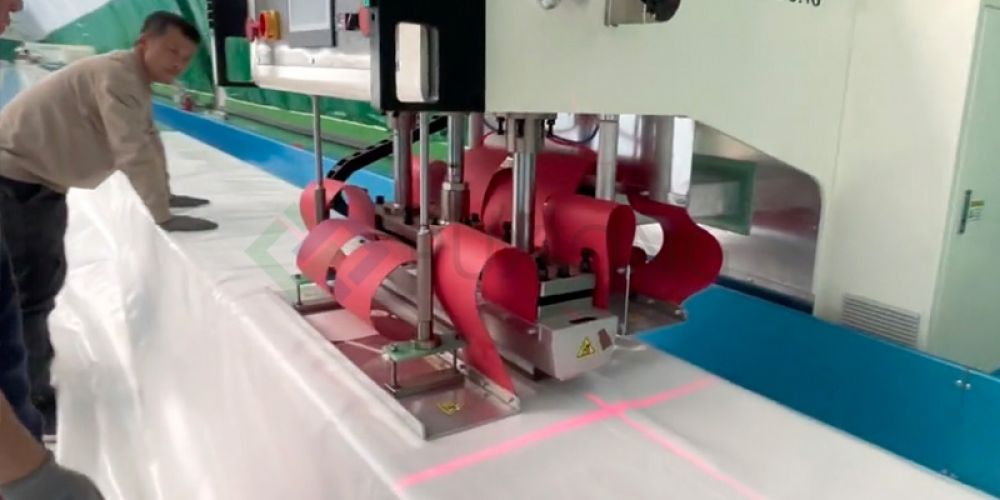
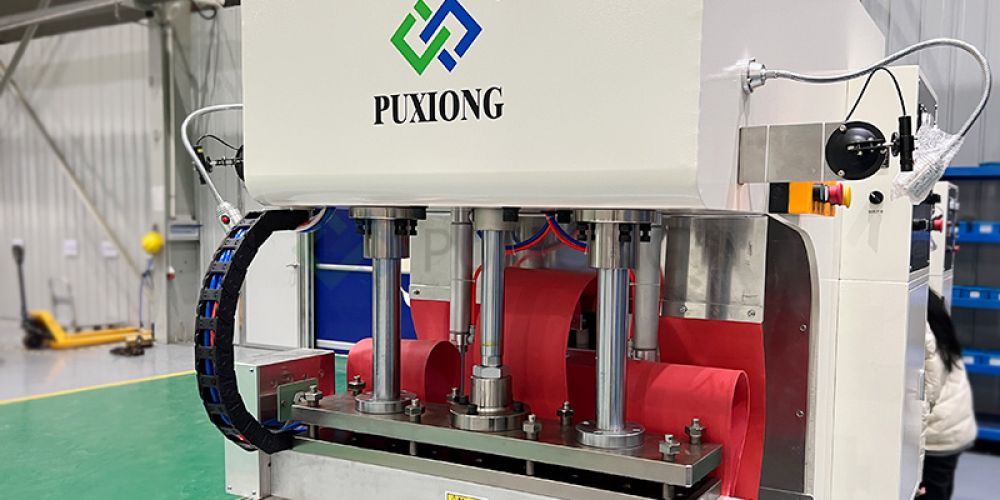
High-frequency welding of TPU calendered film is a process that utilizes a high-frequency electromagnetic field to induce molecular vibration within the material, generating heat and achieving rapid fusion. It features fast welding speed, requires no third-party additives, and produces high weld strength, making it widely used in the manufacture of TPU films, packaging bags, medical bags, and air cushions.
.jpg)
I. Core Principle
High-frequency welding generates an alternating electromagnetic field between two layers of TPU material using a high-frequency voltage. This causes rapid molecular vibration and friction, generating heat until the melting temperature is reached. Pressure is then applied using a mold to fuse the materials. This process heats the material from within, requiring only a few seconds of welding time, and requires no welding additives, resulting in a fused body capable of withstanding strong tensile forces.
II. High-Frequency Welding Efficiency of TPU Calendered Film
1. Raw Material Selection and Formulation Optimization
Adopting a layered design concept, the surface layer uses highly wear-resistant and UV-resistant TPU to enhance weather resistance. The middle layer uses highly elastic, low-temperature flexible TPU to ensure flexibility. The functional layer achieves airtightness or electromagnetic shielding properties by adding barrier agents or conductive particles. Simultaneously, blending modification technology enhances biodegradability, and compatibilizers improve interlayer bonding, thereby improving membrane performance from the source.
2. Multilayer Co-extrusion Calendering Process Optimization
Upgraded equipment and process parameters, coupled with a dynamic adjustment system, achieve precise thickness control. Gradient temperature control and speed ratio matching eliminate internal stress, improving membrane flatness. Online detection technology provides real-time data feedback, automatically adjusting process parameters, reducing manual intervention, and improving production stability.
3. High-Frequency Welding Process Optimization
Matching high-frequency heating equipment parameters (such as frequency, power, and time), combined with a pneumatic pressurization system and silicone buffer pads, avoids weld indentations and increases strength. Optimizing the welding structure increases contact area, reducing leakage risk. Introducing ultrasonic cleaning pretreatment removes static electricity and dust from the membrane surface, further improving welding yield.
4. Improved Efficiency Across the Entire Chain
An intelligent control system integrates raw material proportioning, calendering parameters, welding processes, and other aspects, achieving fully automated control throughout the process. Advanced technologies and equipment (such as high-precision dies and high-frequency integrated machines) shorten the production cycle. Optimize supply chain management to ensure a stable supply of raw materials and reduce downtime waiting for materials.
.jpg)
The applications of PVDF membrane materials—involving processes such as coating, sanding, and welding—in the environmental protection…
.jpg)
I. Advantages of Grinding and Welding PVDF-Coated Membrane Fabric 1. Improved Weldability: Grinding removes the surface…
In the field of modern architecture, the construction of large-scale venues requires not only meeting functional…
The advantages of high-frequency welding for tensile membrane structures primarily include the following aspects: 1. **Simple…
.jpg)
Welded tensile membrane structures are widely used in landscape architecture and offer significant advantages. The following…

Gas storage bags play a vital role in industrial production by storing gases, regulating pressure, enhancing…