

.png)
I. Welding Principle
The heat-sealing welding of TPU (thermoplastic polyurethane) films is based on their thermoplastic properties: heating via a hot press melts the film's contact surfaces, causing molecular chains to diffuse under pressure and form strong molecular bonds upon cooling. This process requires no adhesives, relying on the material's own melting and re-solidification to achieve a seal.
II. Core Processes
1. Temperature Control: The heating temperature needs to be adjusted according to the TPU formulation (usually below the decomposition temperature) to ensure uniform melting.
2. Pressure and Time: Apply appropriate pressure (to avoid film deformation or inadequate sealing), combined with short heating times (to prevent overheating and degradation).
3. Cooling and Curing: Maintain pressure cooling after welding to ensure full curing of the molecular chains and improve weld strength.
4. Optimization Directions: Double-sided heating to shorten time, pulse control to avoid localized overheating, and mold design to reduce stress concentration.
III. Typical Applications
1. Medical Field: Aseptic packaging (e.g., surgical gowns, plasma bags), medical catheter connections (requires biocompatibility certification).
2. Consumer Electronics: Sealing for smart wearable devices (e.g., waterproof watch straps), flexible battery encapsulation.
3. Automotive Industry: Interior sealing (e.g., seat airbag covers), fuel line connections (oil resistance required).
4. Packaging Industry: Food composite film sealing (e.g., TPU/PET), welding of chemical container linings.
.jpg)
The applications of PVDF membrane materials—involving processes such as coating, sanding, and welding—in the environmental protection…
.jpg)
I. Advantages of Grinding and Welding PVDF-Coated Membrane Fabric 1. Improved Weldability: Grinding removes the surface…
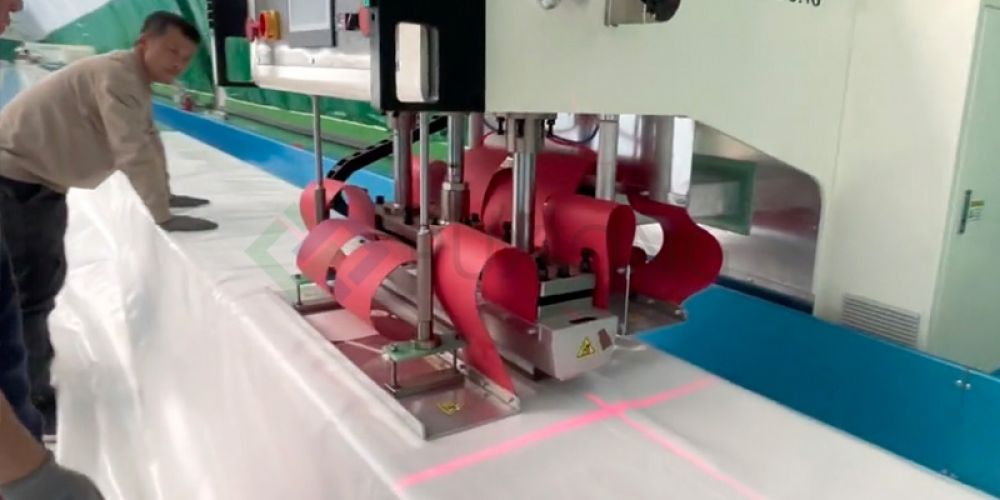
In the field of modern architecture, the construction of large-scale venues requires not only meeting functional…
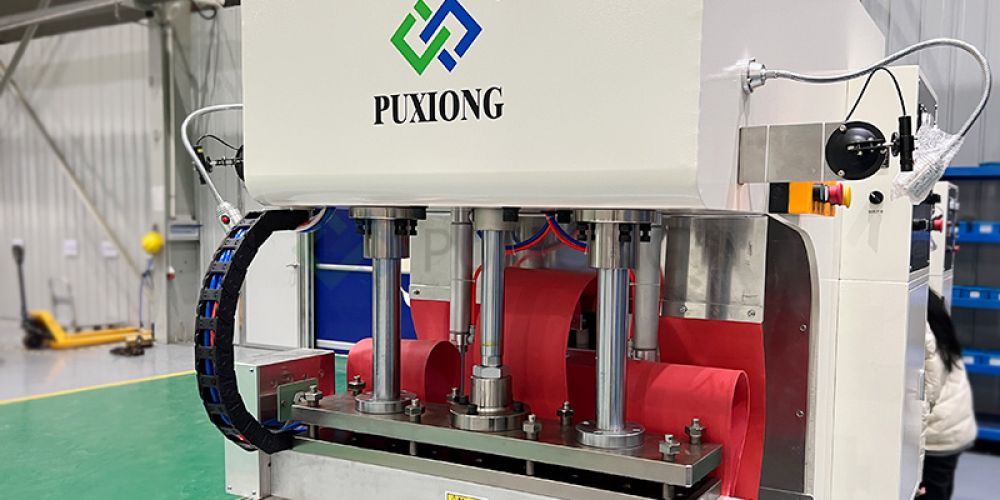
The advantages of high-frequency welding for tensile membrane structures primarily include the following aspects: 1. **Simple…
.jpg)
Welded tensile membrane structures are widely used in landscape architecture and offer significant advantages. The following…

Gas storage bags play a vital role in industrial production by storing gases, regulating pressure, enhancing…