

.jpg)
1. Heat Loss Control: From "Extensive Heating" to "Precise Temperature Control"
Traditional heat sealing relies on external heat sources, which can easily lead to localized overheating of the material, damaging the heat-sensitive components of the traditional Chinese medicine (such as volatile oils and bioactive substances) inside the medicine bag. High-frequency welding uses a high-frequency electric field to excite the polarization and frictional heating of molecules within the material, achieving uniform heating from the inside out. The temperature rise can be precisely controlled within a safe threshold. This "cold welding" characteristic is particularly suitable for temperature-sensitive traditional Chinese medicines, ensuring that the sealing process does not damage the quality of the medicinal materials.
2. Molecular-Level Fusion: From "Surface Adhesion" to "Essential Bonding"
High-frequency welding utilizes high-frequency vibration to break and recombine the material's molecular chains, forming a seamless molecular-level fused structure, completely overturning the traditional "mechanical pressing" mode of heat sealing. Its core advantages are:
A qualitative leap in sealing strength: The high peel strength of the welded area allows for "zero-leakage" sealing even with easily permeable media such as powders and granules.
Enhanced resistance to environmental corrosion: The molecularly fused structure is non-porous and non-delaminated, effectively blocking moisture, oxygen, and light, extending the shelf life of traditional Chinese medicine, especially suitable for medicines in humid southern regions or those requiring long-term storage.
Compatibility with dissimilar materials: By adjusting high-frequency parameters, composite welding of different materials such as PE and aluminum foil, PVC and TPU can be achieved, solving the problem of difficult bonding of dissimilar materials in traditional processes, and improving the barrier performance and structural stability of the medicine bag.
3. Intelligent parameter control: From "human experience" to "data-driven"
The high-frequency welding equipment integrates an intelligent control system that can monitor and dynamically adjust welding parameters in real time, achieving fully automated control of the entire process:
Rapid adaptation to multi-specification production: The modular design supports tool-free rapid switching of medicine bag sizes and materials, reducing production line downtime from several hours of traditional heat sealing to minutes, perfectly adapting to the "small batch, multi-variety" production needs of traditional Chinese medicine.
Full Process Data Traceability: Welding parameters are automatically recorded and uploaded to the electronic batch record system, seamlessly integrating with drug traceability codes to meet the stringent requirements of GMP and FDA for the integrity of production process data, helping companies obtain international certifications.
Predictive Maintenance for Cost Reduction and Efficiency Improvement: Real-time monitoring of equipment status via sensors provides early warnings of potential problems such as mold wear and energy decay, reducing unplanned downtime and lowering maintenance costs.
4. Breakthrough in Material Compatibility: From "Single Choice" to "Full-Scenario Coverage"
High-frequency welding technology overcomes the limitations of traditional heat sealing on material thickness, supporting welding of varying thicknesses without requiring equipment replacement or process adjustments.
Biodegradable Material Adaptation: Successfully applied to welding biodegradable materials such as PLA and PBS, providing a technical path for "zero-pollution" packaging of traditional Chinese medicine, helping companies respond to environmental policies.
Seamless Welding of Thick-Walled Materials: For moisture-proof bottle caps of traditional Chinese medicine pills, high-frequency welding, through optimized impedance design, achieves uniform heating of thick-walled materials, with weld strength approaching that of the base material, eliminating the problems of cracking and poor sealing of thick-walled materials in traditional processes.
.jpg)
The applications of PVDF membrane materials—involving processes such as coating, sanding, and welding—in the environmental protection…
.jpg)
I. Advantages of Grinding and Welding PVDF-Coated Membrane Fabric 1. Improved Weldability: Grinding removes the surface…
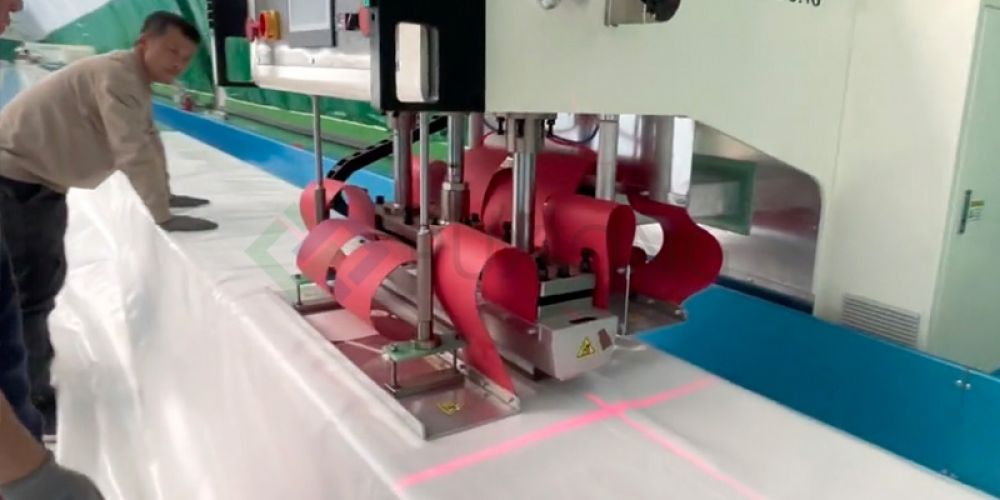
In the field of modern architecture, the construction of large-scale venues requires not only meeting functional…
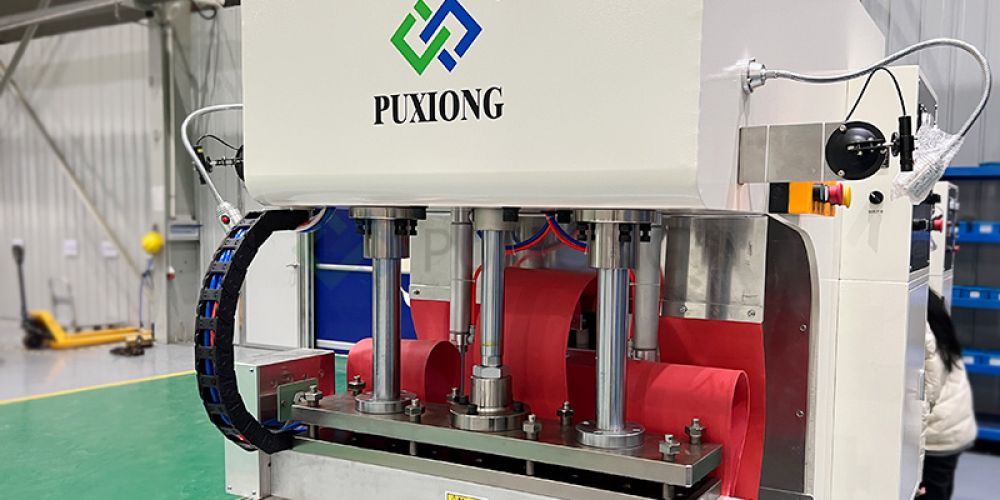
The advantages of high-frequency welding for tensile membrane structures primarily include the following aspects: 1. **Simple…
.jpg)
Welded tensile membrane structures are widely used in landscape architecture and offer significant advantages. The following…

Gas storage bags play a vital role in industrial production by storing gases, regulating pressure, enhancing…