

.jpg)
High-frequency welding achieves non-contact fusion by exciting the internal molecular polarization and frictional heating of materials using a high-frequency electromagnetic field. Its core lies in ensuring uniform heating at the molecular level through technical design, avoiding localized overheating or incomplete fusion. The following is a brief description of its principle and the achievement of uniform heating:
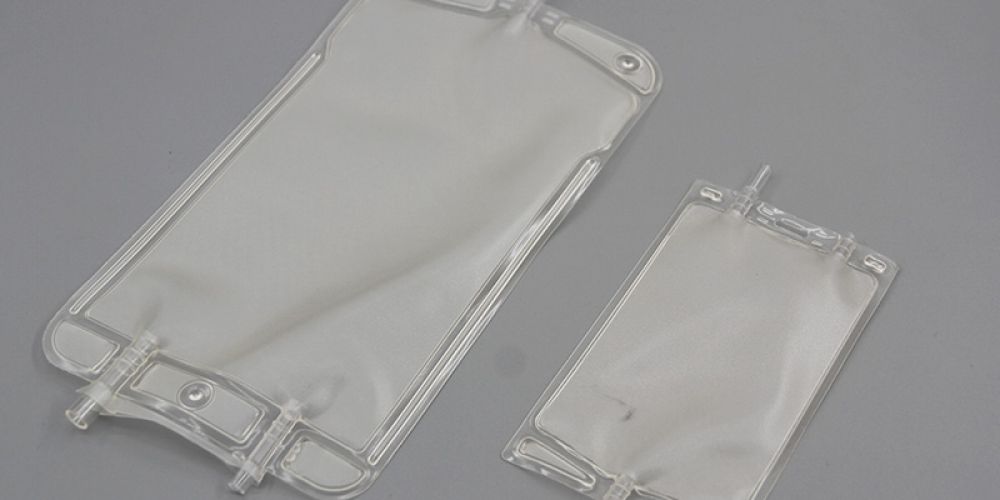
I. Basic Principles of High-Frequency Welding
High-frequency welding equipment generates a high-frequency electric field (e.g., 27.12MHz or 40.68MHz). When a polar material (e.g., PVC, TPU) is placed in this electric field, its internal molecules (e.g., dipoles) rapidly rotate in the direction of the electric field, generating heat through intense intermolecular friction. This process directly converts electrical energy into heat energy, raising the material temperature to its melting point and causing it to melt. Pressure is then used to fully flow and cool the molten material, forming a seamless weld.
II. Mechanism for Achieving Uniform Heating at the Molecular Level
1. Uniform Distribution of Electromagnetic Field
High-frequency welding employs a coaxial electrode structure, allowing the electric field to penetrate the material perpendicularly within the fusion area, preventing localized overheating caused by edge electric field scattering. Simultaneously, electromagnetic shielding technology absorbs excess electric field, ensuring a uniform distribution of the electric field strength across the material surface, achieving overall synchronous heating. 2. Frequency and Material Property Matching
Different materials have different dielectric loss characteristics (i.e., their ability to absorb electric field energy). High-frequency welding equipment selects the optimal frequency based on the material type (e.g., PVC, TPU) to concentrate the electric field energy on the weld layer, reducing heat conduction to non-welded areas and ensuring uniform heating depth and thickness.
3. Dynamic Power and Pressure Control
During welding, the equipment monitors the material temperature in real time and dynamically adjusts the power output through a control algorithm. For example, when a localized overheating is detected, the system reduces the power in that area; when the temperature is insufficient, the power is increased to ensure penetration. Simultaneously, pressure is uniformly transmitted to the material surface through a high-precision mold, preventing uneven weld thickness due to pressure variations.
4. Composite Material Surface Pretreatment
Through plasma cleaning or coating modification techniques, oil and oxides on the material surface are removed, and surface energy is increased, enhancing the coupling efficiency between the electric field and the material. This concentrates the electric field energy more effectively in the weld layer, reducing energy loss and further ensuring heating uniformity.
.jpg)
The applications of PVDF membrane materials—involving processes such as coating, sanding, and welding—in the environmental protection…
.jpg)
I. Advantages of Grinding and Welding PVDF-Coated Membrane Fabric 1. Improved Weldability: Grinding removes the surface…
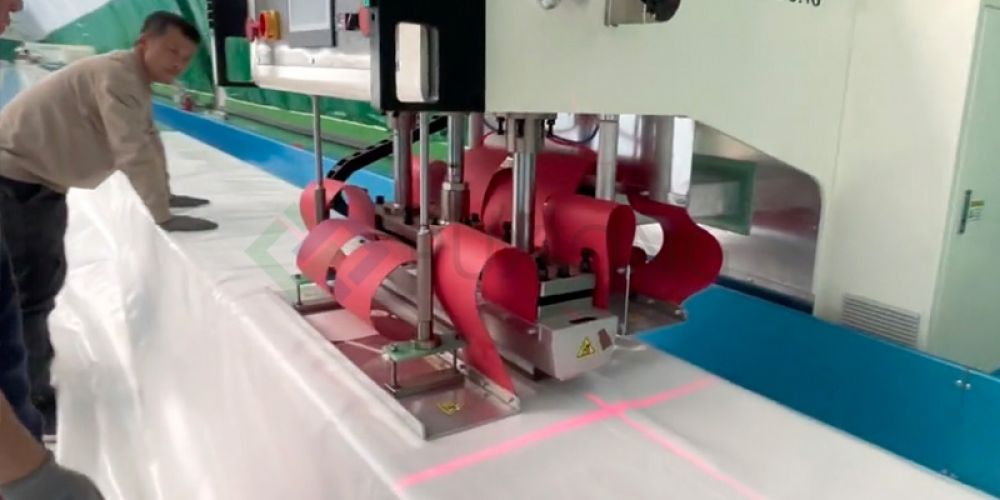
In the field of modern architecture, the construction of large-scale venues requires not only meeting functional…
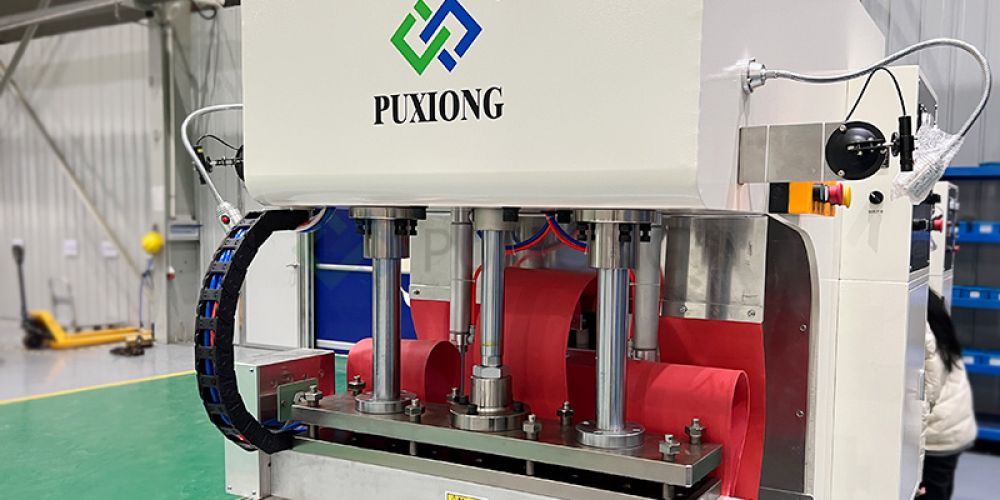
The advantages of high-frequency welding for tensile membrane structures primarily include the following aspects: 1. **Simple…
.jpg)
Welded tensile membrane structures are widely used in landscape architecture and offer significant advantages. The following…

Gas storage bags play a vital role in industrial production by storing gases, regulating pressure, enhancing…