

.jpg)
I. Compatibility Analysis of TPU Material for High-Frequency Welding
1. Superior Material Properties: TPU has good elasticity and puncture resistance, making it suitable for blood bags requiring frequent compression. It also exhibits excellent biocompatibility, meeting medical safety standards. Furthermore, it is environmentally friendly: high-temperature pressing does not produce toxic gases, aligning with green manufacturing trends.
2. Welding Feasibility: TPU is a polar material, allowing for strong connections through high-frequency welding, with weld strength approaching that of the base material. This makes it suitable for inflatable products (such as medical air cushions), indirectly demonstrating its potential application in blood bags.
3. Potential Challenges
Process Optimization Requirements: TPU's thermal conductivity differs from PVC, necessitating readjustment of welding parameters (such as heating time and pressure).
Higher Cost: TPU raw material prices are typically higher than PVC, potentially limiting its widespread adoption in low-cost blood bags.
Market Application Limitations: Currently, high-frequency welded blood bags primarily use PVC, while TPU is mostly used in high-end or special-needs applications (such as hypoallergenic blood bags).
II. High-Frequency Welding Compatibility of Other Materials
1. PE (Polyethylene): A non-polar material with poor high-frequency welding performance, usually requiring modification or other processes (such as hot plate welding).
2. PP (Polypropylene): Also non-polar, difficult to weld, mostly used for rigid containers rather than thin-film blood bags.
3. EVA (Ethylene-Vinyl Acetate Copolymer): A polar material, can be high-frequency welded, but lacks sufficient puncture resistance, rarely used alone in blood bags.
.jpg)
The applications of PVDF membrane materials—involving processes such as coating, sanding, and welding—in the environmental protection…
.jpg)
I. Advantages of Grinding and Welding PVDF-Coated Membrane Fabric 1. Improved Weldability: Grinding removes the surface…
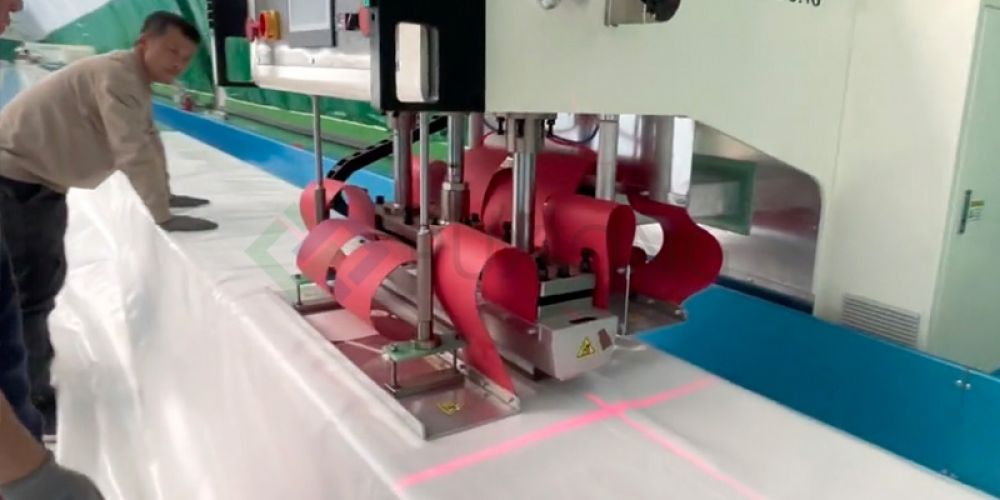
In the field of modern architecture, the construction of large-scale venues requires not only meeting functional…
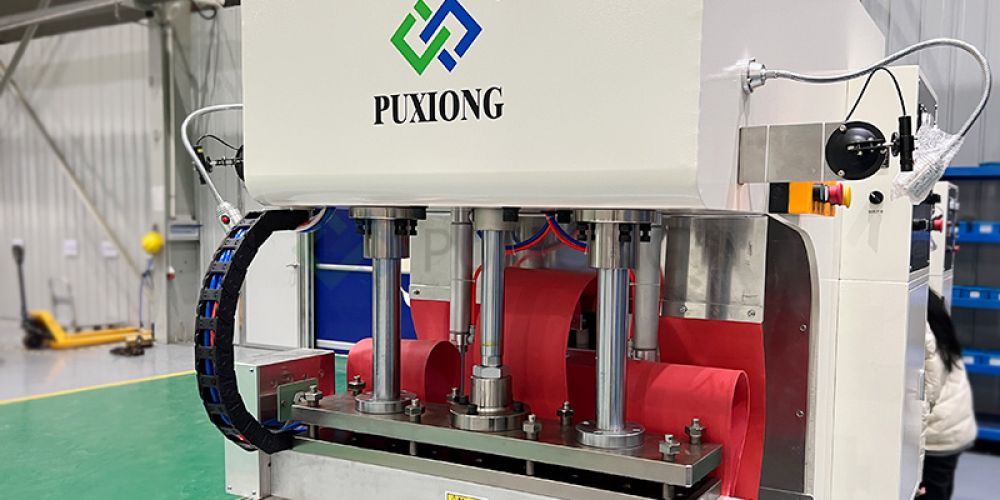
The advantages of high-frequency welding for tensile membrane structures primarily include the following aspects: 1. **Simple…
.jpg)
Welded tensile membrane structures are widely used in landscape architecture and offer significant advantages. The following…

Gas storage bags play a vital role in industrial production by storing gases, regulating pressure, enhancing…