

.jpg)
The impact of high-frequency welding on the compatibility of blood bag materials and the suitability analysis of materials such as PVC and TPU are as follows:
I. Core Impact of High-Frequency Welding on Blood Bag Material Compatibility
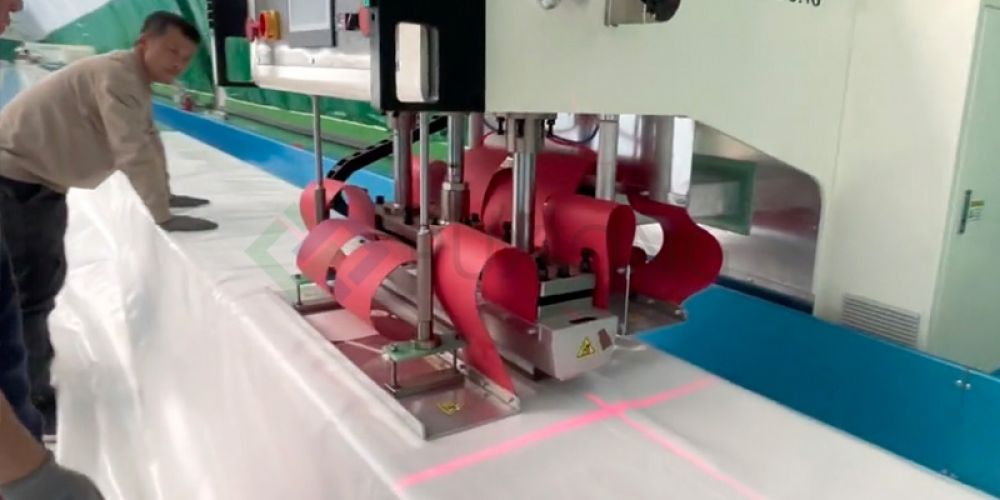
High-frequency welding uses a high-frequency alternating electric field to polarize polar plastic molecules and generate heat through friction, achieving internal fusion bonding. The compatibility of this technology with blood bag materials is mainly reflected in the following aspects:
1. Heating Uniformity: High-frequency welding heats the material internally, avoiding the overheating problems on the outer surface caused by traditional hot plate welding or hot gas welding, making it particularly suitable for heat-sensitive materials (such as PVC).
2. Welding Strength: Under the maximum testing pressure specified in the product standard, high-frequency welded blood bags show no leakage of liquid or air, meeting the pressure testing requirements for blood bags.
3. Biocompatibility: High-frequency welding does not introduce adhesives or other chemical substances, ensuring the chemical stability of materials in contact with blood and meeting medical safety standards.
4. Sterilization Compatibility: High-frequency welded blood bags can withstand commonly used medical sterilization methods such as ethylene oxide sterilization and gamma ray sterilization.
II. Compatibility Analysis of High-Frequency Welding for PVC Material
1. Physical Property Matching: PVC film has high transparency, facilitating observation of blood condition. It is soft and foldable, suitable for frozen storage and transportation. It is resistant to high-temperature sterilization, meeting the requirements for long-term blood bag preservation.
2. Mature Welding Technology: High-frequency welding is the mainstream technology for PVC blood bags. Welding parameters (such as power, time, and pressure) can be precisely controlled via servo motors, ensuring weld consistency.
3. Cost-Effectiveness: PVC raw materials are inexpensive, and processing costs are controllable, making it suitable for large-scale production.
4. Potential Challenges
Temperature Runaway Risk: The dielectric loss factor of PVC may increase with rising temperature, leading to localized overheating, requiring optimization through power tuning (such as variable capacitors).
Material Stability: Long-term use may release plasticizers; medical-grade PVC must be selected to meet biocompatibility standards.
Environmental Dependence: Welding quality is affected by ambient temperature and humidity; operation must be performed in a dry, dust-free environment.
.jpg)
The applications of PVDF membrane materials—involving processes such as coating, sanding, and welding—in the environmental protection…
.jpg)
I. Advantages of Grinding and Welding PVDF-Coated Membrane Fabric 1. Improved Weldability: Grinding removes the surface…
In the field of modern architecture, the construction of large-scale venues requires not only meeting functional…
The advantages of high-frequency welding for tensile membrane structures primarily include the following aspects: 1. **Simple…
.jpg)
Welded tensile membrane structures are widely used in landscape architecture and offer significant advantages. The following…

Gas storage bags play a vital role in industrial production by storing gases, regulating pressure, enhancing…