

.jpg)
In the innovation of blood bag materials, new plastics have significantly improved the quality of blood preservation by optimizing physical properties, chemical stability, and biocompatibility. This is specifically reflected in the following aspects:
I. Application of Modified PVC Materials
1. Performance Advantages: Modified PVC accounts for over 25% of medical plastics, characterized by low cost, ease of processing, chemical resistance, and excellent mechanical and electrical properties. Modification has solved the problems of insufficient light and heat stability, making it a star choice for blood bag materials.
2. Application Scenarios: PVC-DEHP blood bags are mainly used for the storage of whole blood and concentrated red blood cells, but attention must be paid to the risk of DEHP plasticizer migration into the blood. The EU has banned the use of DEHP in children's toys, prompting companies to develop plasticizer-free multi-component copolymer materials, such as the Japanese Mizu ESMEDICA ethylene-vinyl acetate-vinyl chloride terpolymer.
II. Alternative Applications of TPE Materials
1. Safety Advantages: TPE blood bags are a soft and stable material that does not require added additives, avoiding the risk of plasticizer migration and improving the safety of blood preservation.
2. Performance Improvement: TPE materials exhibit better biocompatibility and chemical stability, effectively reducing the impact on blood components and extending blood preservation time.
III. Material Adaptation for Ultracooled Preservation Systems
1. Preservation Effect: Researchers, by optimizing ultracooled preservation conditions, have achieved ultracooled preservation of red blood cell suspensions for up to 63 days at -8°C, meeting FDA standards. This system utilizes engineered ultracooling technology, significantly extending the storage life of red blood cells.
2. Material Requirements: Ultracooled preservation systems place higher demands on the low-temperature resistance and sealing performance of blood bag materials. New plastic materials need to possess excellent low-temperature impact resistance and stable sealing performance to ensure the quality of blood preservation under ultracooled conditions.
.jpg)
The applications of PVDF membrane materials—involving processes such as coating, sanding, and welding—in the environmental protection…
.jpg)
I. Advantages of Grinding and Welding PVDF-Coated Membrane Fabric 1. Improved Weldability: Grinding removes the surface…
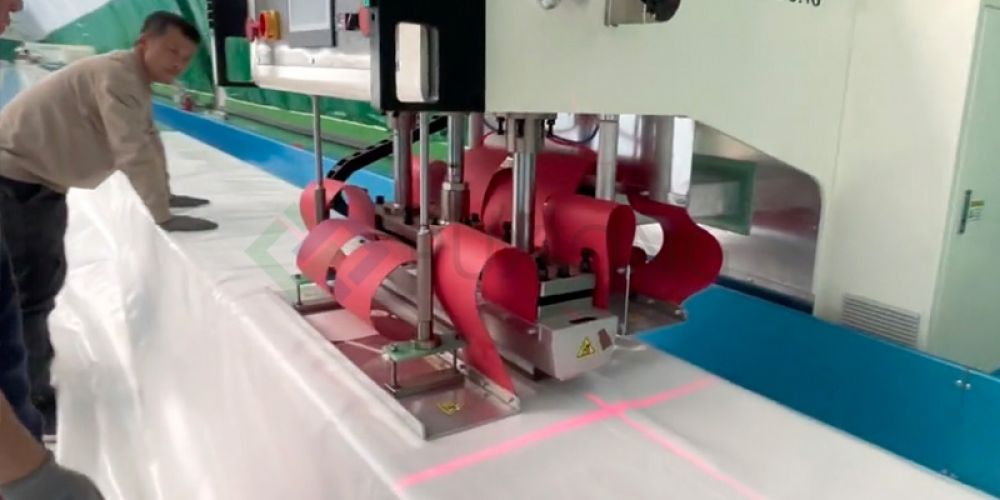
In the field of modern architecture, the construction of large-scale venues requires not only meeting functional…
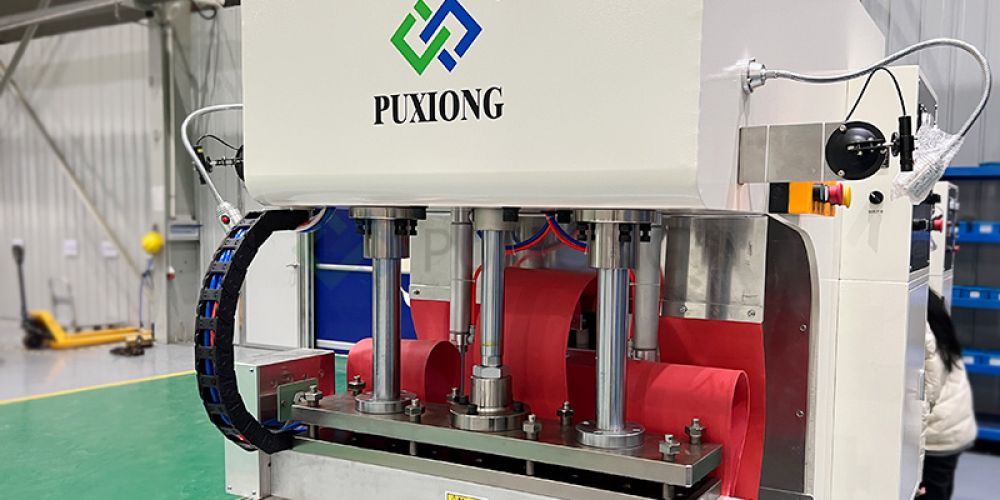
The advantages of high-frequency welding for tensile membrane structures primarily include the following aspects: 1. **Simple…
.jpg)
Welded tensile membrane structures are widely used in landscape architecture and offer significant advantages. The following…

Gas storage bags play a vital role in industrial production by storing gases, regulating pressure, enhancing…