

.jpg)
In the healthcare system, blood bags play an irreplaceable role as crucial containers for collecting, storing, and transporting blood. Behind every successful transfusion that saves a life, a large number of blood bags are used. However, with the increasing demand for medical supplies, the use of blood bags has increased dramatically, highlighting the growing problem of their disposal. Improper handling of large quantities of discarded blood bags not only wastes resources but can also cause serious environmental damage. Therefore, exploring effective ways to recycle and environmentally friendly dispose of blood bags has become a crucial issue urgently needing to be addressed in the field of medical waste management.
I. Potential Environmental Hazards of Blood Bags
1. Plastic Pollution
Currently, most blood bags are made of plastics such as polyvinyl chloride (PVC). These plastic blood bags are difficult to degrade in the natural environment and may take hundreds of years to completely decompose. Large quantities of discarded blood bags, when carelessly discarded or landfilled, occupy land resources for a long time, damaging soil structure, affecting soil aeration and permeability, and thus hindering plant growth. Furthermore, plastic blood bags may be ingested by animals, leading to intestinal blockage, malnutrition, and even death, causing serious damage to the ecosystem.
2. Chemical Pollution
During the production of blood bags, plasticizers, stabilizers, and other chemicals may be added. When blood bags are discarded, these chemicals may be washed into water bodies and soil by rainwater or seep in, polluting water and soil quality. For example, some plasticizers have endocrine-disrupting effects, potentially affecting the reproduction and development of aquatic organisms and posing a potential threat to human health through the food chain.
3. Risk of Biological Contamination
Blood bags have been in direct contact with blood and may carry various pathogens, such as viruses and bacteria. If discarded blood bags are not disposed of properly, these pathogens may spread diseases, posing a serious threat to public health and safety. Especially in areas with poor medical waste management, the indiscriminate disposal of discarded blood bags increases the risk of disease transmission.
.jpg)
The applications of PVDF membrane materials—involving processes such as coating, sanding, and welding—in the environmental protection…
.jpg)
I. Advantages of Grinding and Welding PVDF-Coated Membrane Fabric 1. Improved Weldability: Grinding removes the surface…
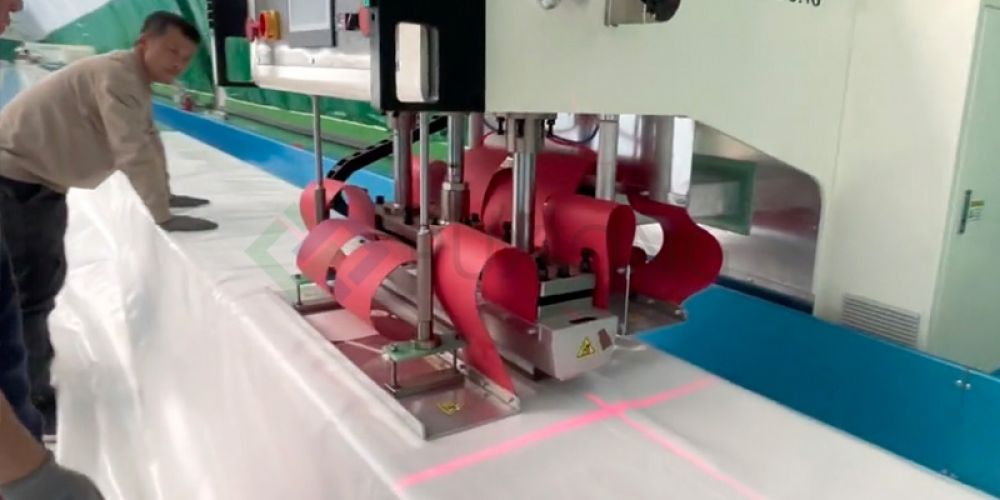
In the field of modern architecture, the construction of large-scale venues requires not only meeting functional…
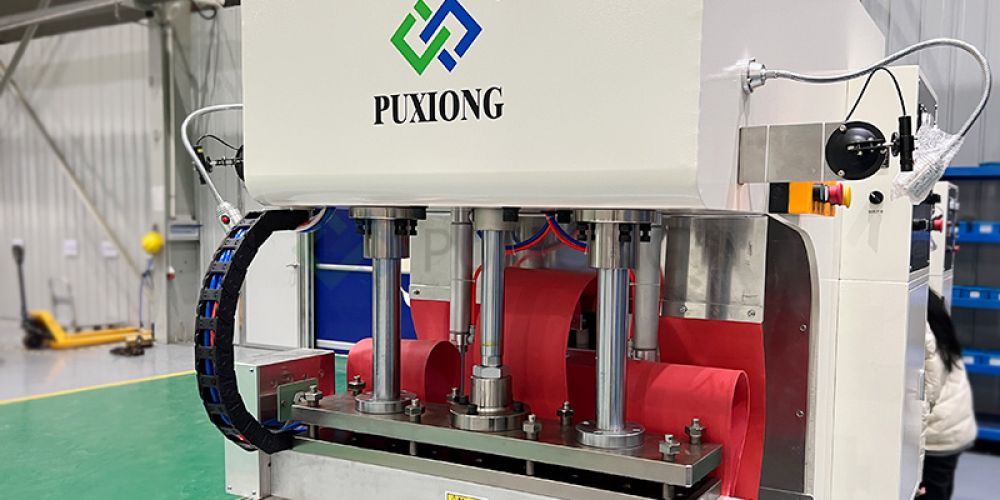
The advantages of high-frequency welding for tensile membrane structures primarily include the following aspects: 1. **Simple…
.jpg)
Welded tensile membrane structures are widely used in landscape architecture and offer significant advantages. The following…

Gas storage bags play a vital role in industrial production by storing gases, regulating pressure, enhancing…