

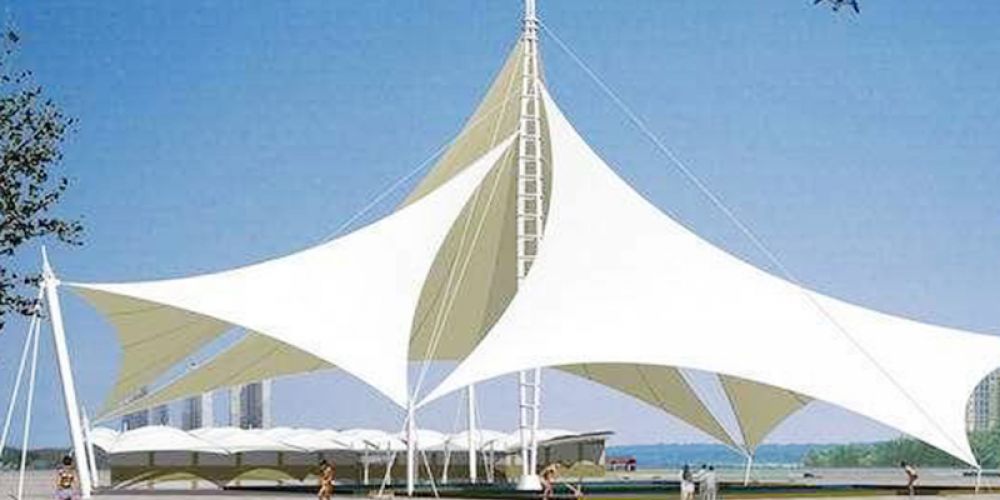
I. Application Scenarios for Tensile Membrane Structures
Due to their unique mechanical properties and aesthetic versatility, tensile membrane structures are widely used across various fields. Below are some typical application scenarios:
1. Sports Venues
Application Examples: Large-scale event venues—such as those for the Olympic Games and the World Cup—frequently utilize tensile membrane structures for roofing or shading (e.g., the Munich Olympic Stadium and the Shanghai Stadium).
Advantages: These structures can cover vast areas, providing effective shade and rain protection while maintaining an airy, comfortable atmosphere within the venue.
2. Cultural and Exhibition Facilities
Application Examples: Cultural facilities such as museums, exhibition halls, and art centers often employ tensile membrane structures for entrance lobbies, atriums, or temporary exhibition spaces.
Advantages: The lightweight and modern aesthetic of tensile membrane structures complements the artistic ambiance of cultural facilities, while also offering flexible spatial layouts and excellent natural lighting.
3. Commercial and Leisure Spaces
Application Examples: Shopping centers, commercial districts, and theme parks often use tensile membrane structures for canopies, landscape features, or rest areas.
Advantages: These structures create unique visual appeal that attracts foot traffic while providing a comfortable environment for leisure and relaxation.
4. Transportation Facilities
Application Examples: Transportation hubs such as railway stations, bus terminals, and airports frequently use tensile membrane structures for waiting halls, platform canopies, or connecting walkways.
Advantages: Tensile membrane structures allow for rapid assembly, meeting the construction schedules of transport facilities; they also provide effective shade and rain protection, thereby enhancing the passenger travel experience.
5. Temporary and Emergency Facilities
Application Examples: Tensile membrane structures are often used as temporary buildings for post-disaster reconstruction, field hospitals, and military camps.
Advantages: Characterized by their light weight, ease of transport, and rapid assembly, these structures meet the requirements for quick deployment and flexibility inherent in temporary facilities.
6. Landscape and Environmental Projects
Application Examples: Urban parks, ecological wetlands, and landfills often utilize tensile membrane structures for landscape features, shading facilities, or environmental protective coverings. Advantages: Tensile membrane structures can blend seamlessly with the natural environment, offering eco-friendly solutions while enhancing the visual appeal and functionality of the site.
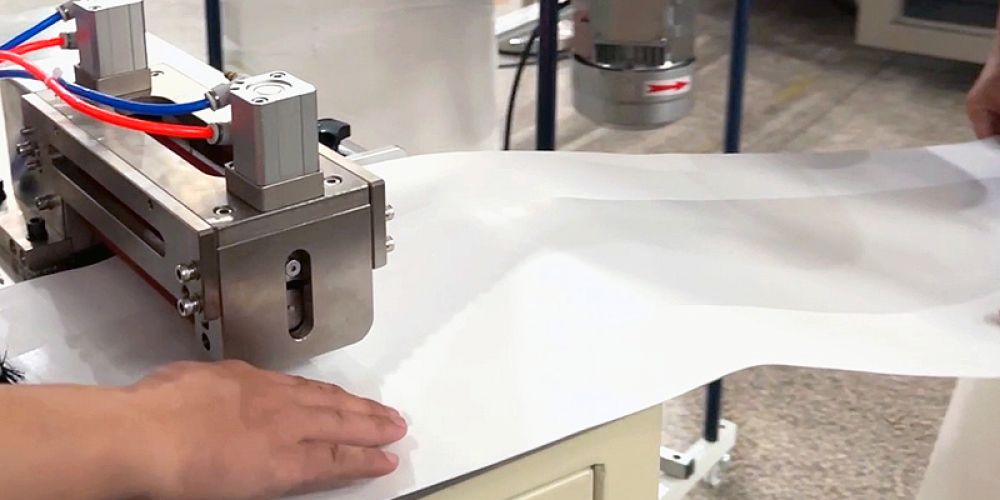
The welding process for PVDF-coated membrane fabrics offers significant competitive advantages over other welding methods, particularly…
I. Application Scenarios for Tensile Membrane Structures Due to their unique mechanical properties and aesthetic versatility…
I. Characteristics of Tensile Membrane Structures 1. Diverse forms and strong artistic appeal: Through the tensioning…
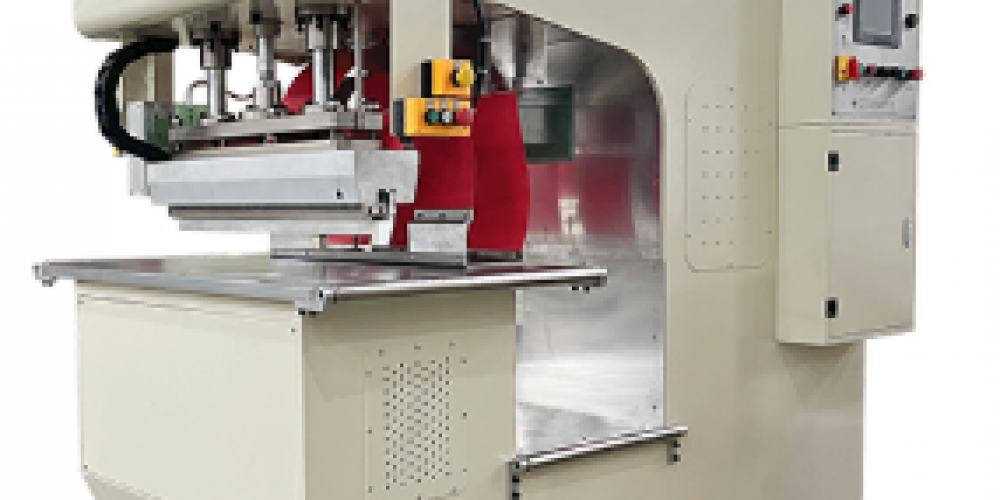
Significant breakthroughs have been achieved in the research and development of new materials for gas storage…
High-frequency welding technology is a key process in tent manufacturing. It achieves precise welding of plastic…
.png)
High-frequency welding and hot air welding for tents differ significantly in principle, applicability, efficiency, and finished…